

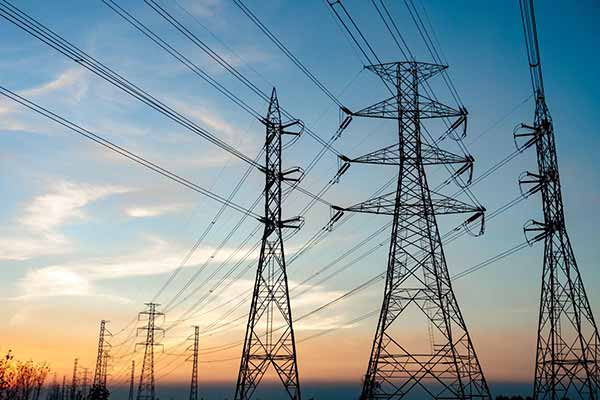
Eswatini’s heavy reliance on imported electricity is rising to levels that increase the risk of higher power bills and supply shocks, according to the Eswatini Electricity Company (EEC) Integrated Annual Report 2025.
EEC reports that imports made up about 79.4% of total electricity supply in the 2025 financial year, while internal generation contributed 20.6%. The company attributes the drop in local generation to drought conditions, which reduced output from domestic sources.
The report also flags “dependence on imports” as a major risk, warning that strong reliance on Eskom and regional supply pressures could threaten Eswatini’s energy security.
For ordinary consumers, the concern is straightforward: when most power is purchased from outside the country, Eswatini becomes more exposed to regional price volatility and supply tightening. Any increase in import costs or constraints in the regional market can filter down into local tariffs and disrupt supply, affecting households and small businesses first.
However, officials and sector institutions say work is underway to reduce this dependence.
EEC reports major capital investment during the year, including E801 million in capital expenditure, as it continues grid upgrades and expansion projects.The utility also confirms ongoing work on small-scale embedded generation (SSEG) frameworks with the regulator, including steps toward finalising feed-in tariffs for customers and businesses that generate their own electricity and feed excess power back into the grid.
On the generation side, the Eswatini Energy Regulatory Authority (ESERA) announced the launch of the 20MW Tsamela Solar PV project in December 2025 — the first project under its 75MW Solar PV procurement programme aimed at strengthening local power generation and national energy security.
Climate pressure remains a key part of the risk picture. The World Bank Climate Knowledge Portal notes that Eswatini faces increasing climate variability, including drought conditions that can affect water-dependent generation and broader infrastructure resilience.
The emerging picture from the official data is that the dependency problem is now extreme — but so is the policy push to build local alternatives, especially solar, while strengthening the grid and opening space for embedded generation.


